Poll by GLOBSEC Finds 71 Percent of Europeans Favor Unified EU Army
Broad backing for independent continental defense coincides with high commitment to NATO and rising concerns over Washington.


A survey by the security think tank GLOBSEC, published in its Trends 2026 report, reveals that 71 percent of Europeans back the establishment of a dedicated European Union military force, as governments across the continent review their defense capabilities.
The findings point to growing questions regarding the reliability of the United States as a guarantor of European defense, alongside pressures stemming from the ongoing Russian war in Ukraine and diverging public perspectives on the conflict.
Support for a continental force reached 82 percent in Romania, followed by 78 percent in Lithuania and 75 percent in France. Backing also extended to nations historically more cautious about shared defense integration, reaching 70 percent in Poland and Bulgaria, and 69 percent in Germany. The survey surveyed 14 countries—including 11 EU member states alongside Ukraine, the United Kingdom, and the United States—though the complete list of participating nations was not detailed.
The preference for a European force does not translate into an abandonment of existing alliances. Among respondents in NATO member countries, 77 percent said they would vote to remain in the alliance, while 78 percent across EU states favored expanding European defense capacities alongside NATO commitments. Preparedness concerns also showed in public attitudes toward service, with 64 percent of participants in countries without mandatory military duty supporting its restoration.
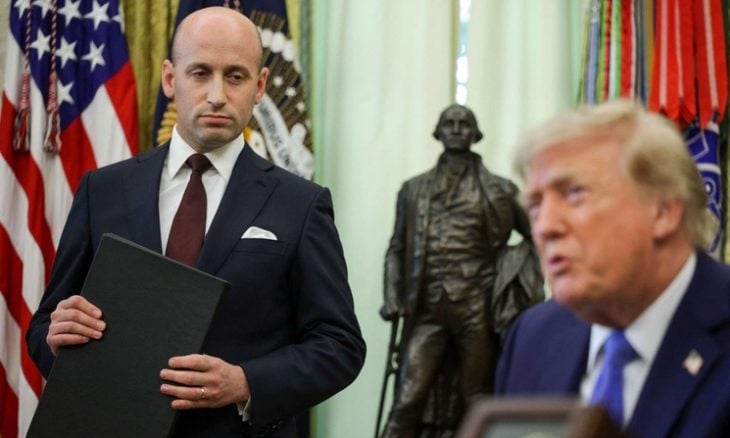
The data also indicated shifting perceptions of Washington, with over a third of participants in the European countries surveyed categorizing the United States as a security threat, a figure rising to about half in Germany, France, and Britain, compared to about a third in central and eastern Europe. In Germany, specific divisions regarding the war emerged: 40 percent of respondents considered Ukraine's treatment of Russian speakers a justification for the Russian war, and 39 percent viewed Western provocation as the catalyst that sparked the conflict.
Sky News Arabia and Politico reported the details.